
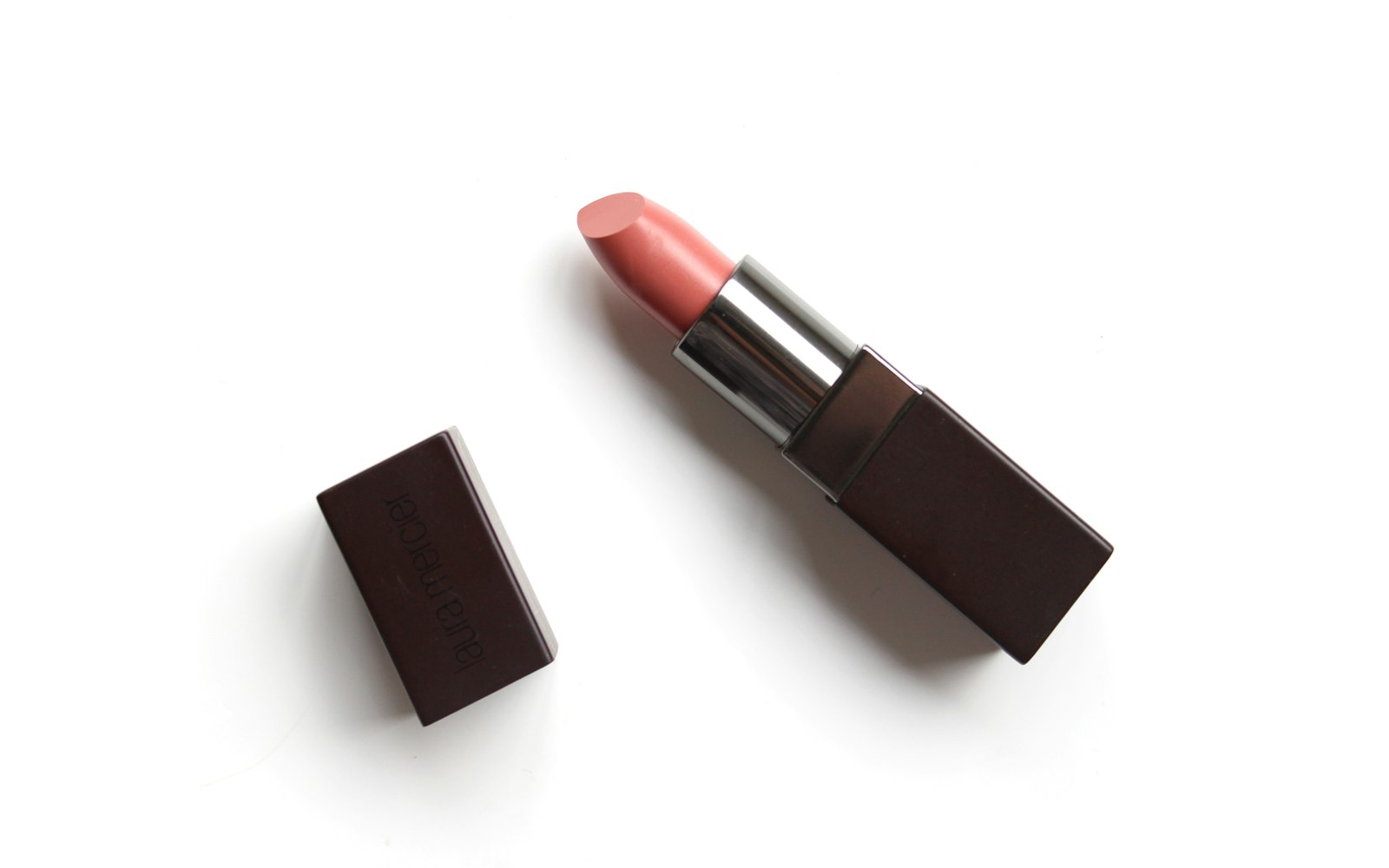
There is no single magic answer to the question of how to grow a beauty and cosmetics brand, but there is a clear order of steps. In this category, hundreds of brands share the same shelf, the same ad space and the same customer. However good your product is, a good product alone does not grow a brand. The brands that grow are the ones that know which need they meet and with what character, tell that story consistently and win the customer not once but again and again.
In this guide, we cover growing a cosmetics brand from start to finish: the right positioning, content that builds trust, the role of social media, turning the first sale into a relationship and building loyalty through repeat sales. We care about the order, because advertising before your positioning is settled gets expensive, and growth without loyalty does not last.
Positioning First: For Whom and Why?
The first step to growth is not advertising, it is clarity. Who is your brand speaking to, what need does it meet and how is it different from competitors? If you cannot answer these three questions clearly, however good your product is, customers will see you not as a real alternative but as just another option in the crowd. In cosmetics, the difference is often not in the formula but in the meaning: who you reach, at what moment and with what identity.
Positioning is as much about which customers you do not choose as about which ones you do. A beauty brand that tries to appeal to everyone cannot hold a clear place in anyone's mind. A clear target audience brings with it the right voice, the right price perception and the right channel. To build this foundation properly, we treat brand strategy work as the first step of growth.
Brand Character and Visual Language
Cosmetics is an emotional category. People do not just buy a cream or a lipstick, they buy a feeling about themselves: feeling well cared for, taking time for themselves, belonging to a community. That is why your brand's character, packaging and visual language carry as much selling power as the product itself.
Consistency is decisive here. Your color palette, typography, photography style and tone of voice should be the same at every touchpoint: website, product packaging, social media and advertising. When customers recognize the same brand in different places, trust forms, and trust is the foundation of repeat sales. A scattered visual language, on the other hand, makes even a good product look amateur. Giving your brand a consistent and memorable identity is as much a design job as a growth job.
Social Media and Content: Building Trust
The beauty category grows on social media, because decisions are made largely through visuals and other people's experiences. But producing content and producing content that drives growth are two different things. An account that constantly posts product photos creates noise, not sales. Content that drives growth answers the customer's questions, places the product inside a lifestyle and builds trust.
- Educational content: Content such as how to use products for your skin type, the right order of application and common mistakes builds trust and also earns visibility in search.
- Application and transformation: Short videos that show how the product is really used and the result it delivers are the most persuasive type of content.
- The voice of real users: Posts and reviews from satisfied customers are more convincing than anything the brand says about itself.
- Community: Replying to comments, answering questions and making customers part of the content builds the bond that turns followers into customers.
Producing this content regularly, consistently and in a way that fits each channel is a discipline in its own right. To work to a plan instead of posting at random, we set up social media management with a content calendar and clear goals.
From the First Sale to Repeat Sales
This is where the greatest strength of cosmetics lies: products run out regularly. That means the first sale is only a beginning. Winning a customer for the first time is expensive, but selling to the same customer again is much cheaper and far more profitable. That is why the real engine of growth is not only the number of new customers but how often existing customers come back.
Repeat sales should not be left to chance. A reminder close to when the product runs out, a personal thank you after the first purchase, exclusive benefits for regular customers and complementary product suggestions turn a one-time purchase into a habit. To do this, you need to know your customers, which means keeping hold of the data. The relationship built at the first sale becomes, over time, the brand's most valuable asset.
Loyalty: The Sustainable Engine of Growth
A loyal customer is worth three times as much to a cosmetics brand. They come back at a lower cost, grow their basket and, most importantly, recommend the brand to people around them. In the beauty category, recommendation is the most powerful growth channel, because people show and tell their friends what they bought. A happy customer is an ad campaign that runs without you paying for it.
Building loyalty is not just about handing out discounts. The real bond comes from consistent quality, personal attention and making customers feel part of the brand. We explain in detail how to make this relationship systematic, from which message goes out when to dedicated programs, in our article on customer loyalty and CRM.
Growth in cosmetics is not hidden in hunting new customers but in winning the same customer a second, third and tenth time: the first sale is not an ending, it is the start of a relationship.
Growing a beauty and cosmetics brand does not happen with a single viral post. It happens through the right decisions stacked on top of each other: clear positioning, a consistent character, content that builds trust, social media that works and a loyalty approach that brings customers back. When you put these steps in place in the right order, you step out of price competition and build a real brand. If you want to grow your brand with this kind of cohesion, talk to Rebel Co. Group. Let's look at the full picture together, from your positioning to your content and advertising setup. Contact us for a free strategy call. Related service: Cosmetics marketing agency.
Frequently asked questions
Where should a new cosmetics brand start its marketing?
Start by setting a clear position: who are you speaking to, for what need and with what character? Until this is clear, your advertising and content stay scattered. Once your positioning is settled, social media and content work much more sharply.
Which social media channel works best for a cosmetics brand?
Because the beauty category sells through visuals and video, short-video channels stand out. Even so, instead of tying yourself to a single channel, you should use data to find where your audience really spends its time and produce content in the language of that channel.
Why are repeat sales so important in cosmetics?
Because cosmetic products run out regularly, the first purchase is only the beginning. The real profit comes from the same customer buying again and again. That is why you need to treat the first sale not as an ending but as the start of a loyalty relationship.
Related articles
- Brand archetypes guide
- Customer loyalty and CRM strategies
- Marketing for clinics and aesthetic centers