
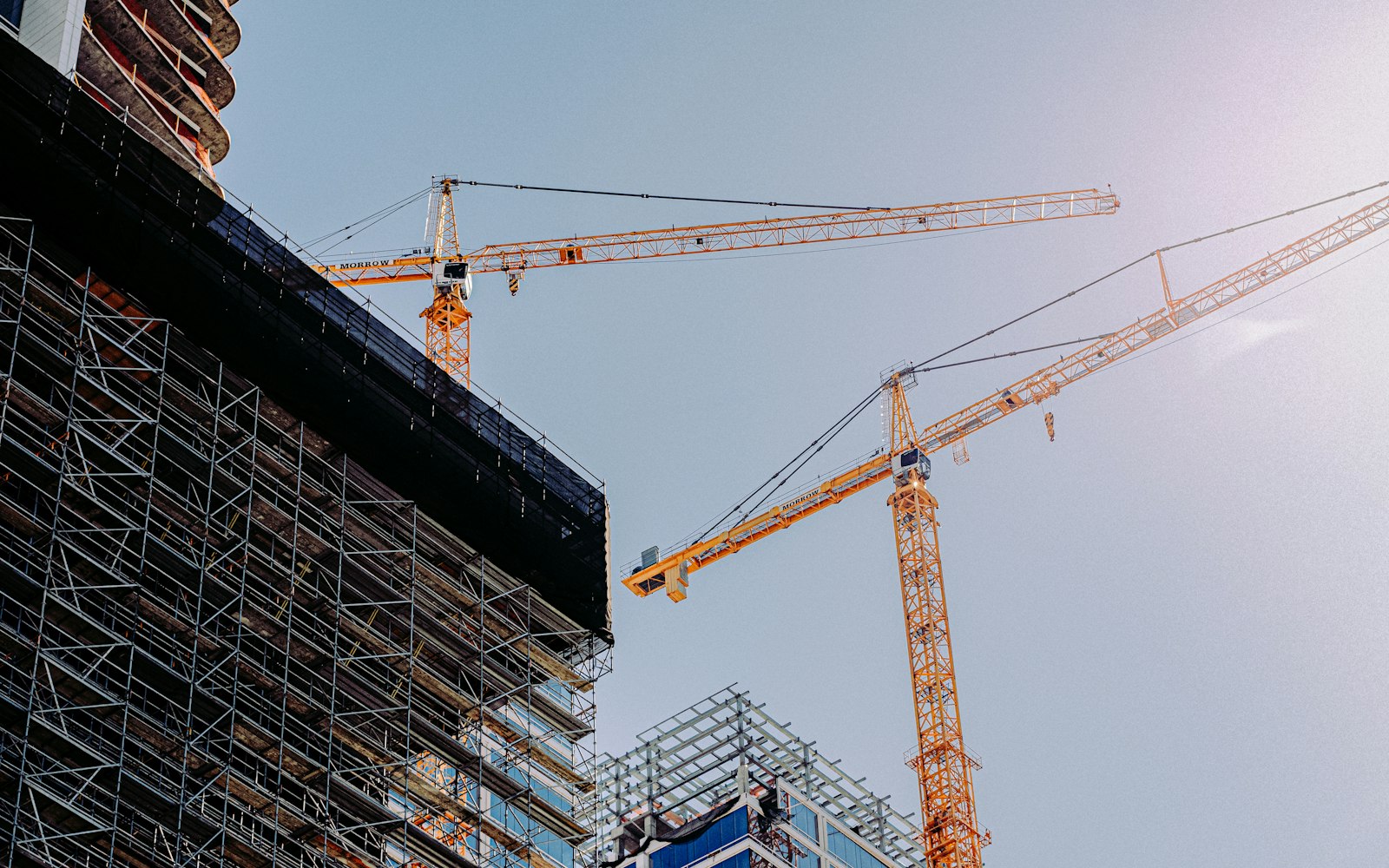
Short answer: Residential project launch marketing is a campaign structure designed to create a surge of demand in the first weeks after a project goes on sale. It has three phases: gathering interest before the launch, intense visibility at launch and processing demand after the launch. Rebel Co. Group uses a different ad objective and a different landing page in each phase, because a buyer who has never heard of the project and a buyer asking about prices are not persuaded by the same message.
A residential project launch is the most critical moment in real estate marketing. When structured correctly, it shapes the project's sales velocity, pricing power and brand perception for months. When structured poorly, even the most beautiful project starts dimly with a quiet opening, and making up for that first impression is expensive. In this guide we look at a residential launch in three periods: the pre-launch demand period, the launch moment and the post-launch period. For each period we explain concretely what needs to be done and how success is measured.
Let's clarify one fact right from the start: a launch is not a day, it is a process. The interest you build up until opening day determines that day's sales figure. That is why the real work starts long before the sales office opens.
The Pre-Launch Period: Building Curiosity
The pre-launch period is when the project is still under construction and the sales office has not opened, but marketing has already started. The goal of this period is not to sell but to build interest among the right buyers. Meeting launch day with an empty audience is the most expensive way to start. Meeting it with a warm interest list takes care of half the sales.
- Tell the lifestyle promise: At this stage, the lifestyle the project promises takes center stage, not floor plans or prices. Location, concept and atmosphere feed curiosity.
- Build an early registration list: A registration form offering an exclusive pre-sale opportunity turns an interested buyer into named data. This list is the fuel of the launch.
- Keep the visual storytelling strong: Renderings, concept videos and neighborhood presentations bring a project that cannot yet be seen to life in the buyer's mind.
- Create a sense of scarcity and exclusivity: Messages like limited pre-sale allocation or advantages for early buyers bring the decision forward.
In this period, you need to focus the ad budget on collecting qualified interest. For ways to set up your budget efficiently, see our article on using your ad budget efficiently. The more qualified the list you collect, the stronger launch day will be.
Clarifying Positioning and Message
The power of a launch depends as much on who the project speaks to and how as on what it says. The same project is told differently to an investor than to a family looking for a home to live in. Clarity of positioning is the backbone of the entire campaign. A blurry message burns through even the largest budget.
- State the main promise in one sentence: If you cannot describe the project in one sentence, neither can the buyer.
- Separate buyer segments: Use a different message, a different channel and different content for investors and end users.
- Stand apart from competitors: Highlight the difference you genuinely offer that other projects in the area do not talk about.
Our brand positioning guide, where we cover how positioning is built in more depth, will help you sharpen your launch message.
The Launch Moment: Turning Warm Demand into Sales
Launch day is when you quickly turn the warm demand built during the pre-launch period into appointments and sales. At this stage, speed and coordination are everything. Buyers on the interest list should learn that the launch has opened before anyone else, and feel privileged doing so.
- Give priority to the pre-launch list: A special day, special price or special right to choose a unit for early registrants turns loyalty into sales.
- Intensify advertising: During the launch period, run search, social media and video channels at the same time with the same message. A scattered message breaks momentum.
- Prepare the sales team: Every form and appointment that comes in must reach the sales team quickly and with the right information. Warm demand that is answered late cools off and goes to a competitor.
- Keep urgency real: Messages like limited allocation or launch pricing are powerful when true, and they damage trust when invented.
Managing performance at the launch moment requires reading data hour by hour and shifting budget to the channel that drives the most sales. This is the very heart of the performance marketing discipline.
Strengthening the Launch with Video
You build the atmosphere of a launch with images, not text. A show apartment tour, drone footage and a promotional film that conveys a lifestyle let buyers imagine the project while it is still under construction. A strong launch film works in ads, in the sales office and on social media at the same time, carrying the message from a single source. We cover how this is done professionally on our video production page.
Post-Launch: Keeping the Momentum
Marketing does not end when the launch ends. Most projects still have units left to sell, and keeping momentum in the post-launch period is the way to move the remaining inventory efficiently. In this period, strategy shifts from broad reach to qualified targeting.
- Target the remaining inventory: Narrow the campaign based on the unit types left and refocus on the right buyer segment.
- Collect social proof: The satisfaction of the first buyers, construction progress and delivered units increase the confidence of undecided buyers.
- Share construction progress: Seeing the project rise speeds up the buyer's decision and proves that the brand keeps its word.
- Set up referrals: A satisfied buyer is the strongest sales channel. A referral mechanism brings in qualified buyers at low cost.
A strong launch is not born on opening day. It is warm demand, patiently built up months in advance, turning into sales at the right moment.
A residential project launch is a process that does not fit into a single day and requires discipline. You need to build qualified interest in the pre-launch period, clarify your positioning, turn warm demand into sales quickly at the launch moment and keep the momentum going after the launch. Running all of this under a single strategy, in coordination with the on-site sales team, is demanding but rewarding work. To plan your next launch from start to finish, talk to Rebel Co. Group. Related services: real estate marketing agency and performance marketing agency.
Frequently asked questions
When should a residential project launch start?
Marketing should start months before the sales office opens, with the pre-launch demand period. The curiosity and early interest list created while the project is under construction speed up sales on launch day. Meeting the launch with an empty audience is the most expensive way to start.
What happens during the pre-launch period?
In the pre-launch period, the goal is to build interest, not to sell. Content that tells the location and lifestyle promise, an early registration form, an exclusive pre-sale list and curiosity-driven visual storytelling are used. The qualified interest list you collect becomes the fuel for launch day.
How is success measured on launch day?
Success is not ad impressions or likes. It is the number of appointments at the sales office coming from the pre-launch list and the rate at which those appointments turn into sales. A good launch quickly turns previously built warm demand into appointments and sales.
Does marketing stop after the launch?
No. Most projects still have units to sell after the launch. In the post-launch period, strategy is built on narrowing targeting based on remaining inventory, sharing construction progress and social proof, and running a referral mechanism.