
Short answer: What is brand positioning? Brand positioning is the strategic decision about which word the customer uses to remember you, making you the first name that comes to mind in your category. It rests on four steps: define a clear promise, define what sets you apart, build a consistent voice and visual identity, and carry the positioning to every channel. A good promise is clear, provable and ownable, so you win on value instead of price.
Brands that compete on price wear themselves out, brands that claim a place in the mind win. Brand positioning makes you the first name that comes to mind in your category. Price can always be undercut, but the place you hold in someone's mind rarely changes hands.
Positioning is not a matter of a logo or a slogan. It is the strategic decision about which word the customer will use to remember you. Every advertising budget spent before this decision is clear is like adding floors to a building with no foundation. The four steps below offer a practical framework for laying that foundation correctly.
1. Define a clear promise
Trying to appeal to everyone means appealing to no one. Your brand must have a single, strong promise. That promise should capture, in one sentence, the real problem you solve in the customer's life.
A good promise passes three tests:
- Is it clear? Even someone from outside your industry should understand it on the first read.
- Is it provable? Your results, references and customer experience should back the promise up.
- Is it ownable? If a competitor cannot say the same sentence credibly, you are on the right track.
2. Define what sets you apart
Why should the customer choose you? The answer to that question should sit at the center of all your communication. If your answer is a line everyone uses, like "we are high quality and affordable," you do not yet have a difference.
To find your difference, start with these questions:
- What sentence do your customers use when they recommend you to a friend?
- What do you do that your competitors cannot, or do not dare to, do?
- For which type of customer are you clearly the best option?
When these answers come together, the backbone of your positioning emerges. The rest is carrying that backbone to every touchpoint.
3. Build a consistent voice and visual identity
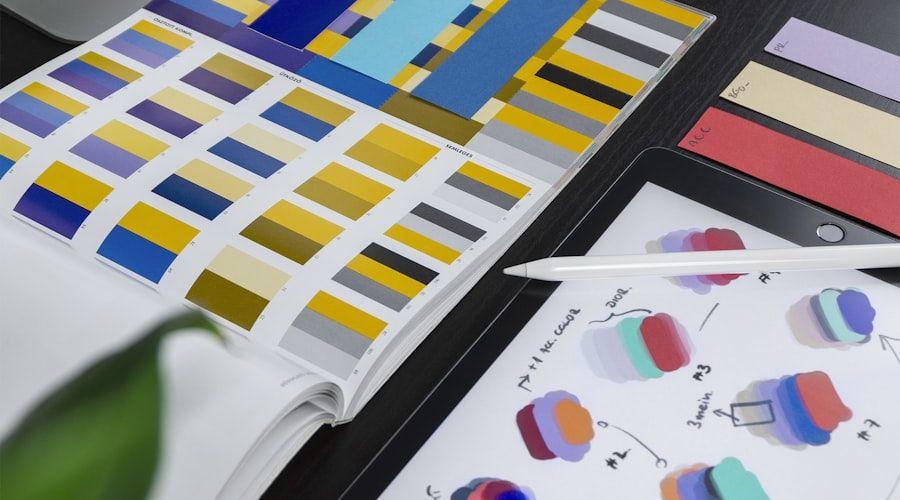
Logo, color, tone and message must be the same at every touchpoint. Consistency builds trust, and trust is the shortest path to a purchase decision. A brand that speaks boldly and warmly today, then formally and distantly tomorrow, never settles anywhere in the customer's mind.
The practical solution is a written brand guide: which colors, which typefaces, which tone of voice, which words are used and which are not. As your team grows and more hands create content, this guide keeps your brand from drifting apart.
4. Carry the positioning to every channel
Website, social media, advertising and packaging: all of them should reflect the same positioning. If the customer feels a disconnect between the brand they see on Instagram and the brand they meet on your website, trust is damaged at the very first step.
Every channel has its own language, and of course the format is adapted to the channel. But the essence does not change: the same promise, the same difference, the same tone. Positioning only starts to accumulate in the mind once this coherence is in place, and each new touch builds on the last.
Lasting success starts with the right positioning and grows through consistent management. As Rebel Co. Group, we stand beside your brand as a partner at both stages.
If you would like to clarify your brand's positioning together, reach out for a free strategy call.
Frequently asked questions
What is brand positioning
Brand positioning is the strategic decision you make about which word, which promise and which feeling your brand will own in the customer's mind. It is not the logo or the slogan, it is the choice behind them: who do you sell to, what do you promise, and how do you differ from competitors? A clear answer to these three questions is your positioning.
Are brand positioning and brand identity the same thing
No. Positioning is the strategic decision itself, the place you want to hold in the customer's mind. Brand identity is the visible form of that decision: logo, color palette, typography and tone of voice. The right order is positioning first, identity second. An identity designed before the decision is clear is like a costume with no owner.
How long does a positioning project take
It depends on the scope. For a small brand with a single product, a few weeks of analysis and workshops can be enough. For a multi-category company, market research, customer interviews and internal alignment can stretch the process over several months. Most of the time goes into carrying the decision consistently to every channel, because positioning is not a document, it is ongoing management.
Does a small business need positioning
Even more than big brands do. A small business has a limited ad budget, and every lira must reach the right audience with the right message. A clearly positioned small brand can beat big players in a narrow field. A business without positioning cannot explain its difference, so it ends up competing with a price list.