
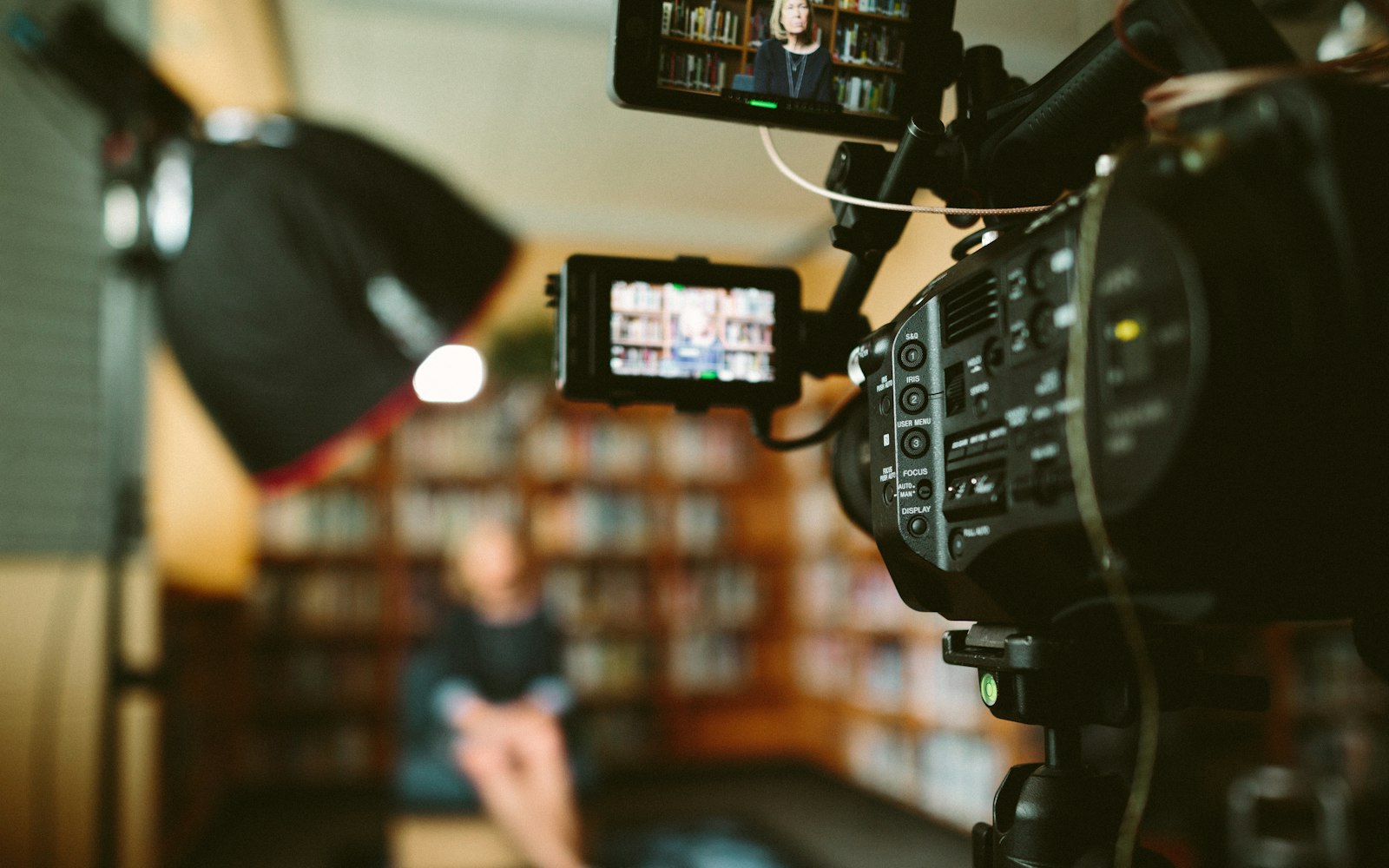
A corporate video is one of the most powerful tools a brand has to tell its story in a few minutes. It works on your website's homepage, in your sales presentations, at trade shows, on social media and in recruitment. But a corporate video is also one of the projects where the most money is wasted. That is because most brands start from the wrong place: first the crew and camera are booked, then someone thinks about what the film should say. A good film, however, starts with the right question before the camera. In this guide we walk you step by step through everything you need to know before commissioning a corporate video, from preparation to release.
Our goal is not to bury you in technical jargon but to make clear which questions to ask the agency, what to watch out for and how to direct your budget wisely when you commission a film.
Define the Purpose First
The most critical decision is made before the first shot: what will this film do? A film without a clear purpose tries to speak to everyone and reaches no one. There is no single type called a corporate video. Completely different films are built depending on the goal.
- Brand film: Tells who the brand is, what it believes in and why it exists. It is shot for trust and positioning.
- Product or service film: Shows what you offer in a clear and appealing way. It supports sales.
- Factory and process film: Proves your production power, quality and scale. It is effective for B2B trust.
- Employer brand film: Presents the company as a place to work. It is shot for talent acquisition.
Clarifying the film's purpose really means clarifying your brand positioning. Our brand positioning guide, where we cover this topic in more depth, will help you sharpen your film's message.
Define the Target Audience and the Message
Who will the film speak to? The same film does not talk the same way to an investor, an end user, a dealer or a job candidate. A script written without a clear target audience produces a film that touches everyone a little but fully captures no one.
- Choose one primary audience: Who should the film reach first? Focus creates power.
- Set one core message: What should viewers remember when the film ends? It should fit in one sentence.
- Answer the viewer's question: What is your audience most curious about when it comes to your brand? The film should answer that question.
A clear audience and a clear message are the film's strongest lever. Turning them into a visual language is the job of the creative and design discipline.
Script and Pre Production: The Decisive Stage
Most people think a film is made on shoot day. In reality, a film is won or lost before the shoot, in the script and pre production stage. Even the most expensive camera cannot save a weak script, while strong preparation produces an effective film even on a modest budget.
- Script and flow: How the film opens, develops and ends should be planned in advance. A good film tells a story, it does not list information.
- Storyboard: A visual draft of the scenes makes sure everyone imagines the same film and prevents surprises.
- Shooting plan: Which scenes will be shot at which location on which day must be clearly planned. An unplanned shoot eats up budget and time.
- Interview preparation: The people who will speak on camera should be prepared in advance. Natural and credible speaking comes from preparation.
Understanding the Production Process
Film production has three main stages, and knowing them puts you in a strong position when talking to an agency. Each stage has its own work, its own timeline and its own cost.
- Pre production: Purpose, script, planning and preparation. The film's fate is decided here.
- Production: The actual shoot. The right crew, the right equipment and a good plan make shoot day efficient.
- Post production: Editing, color, sound, music and graphics. This is where raw footage becomes a film.
We cover how this process is managed professionally in detail on the video production side. A good production partner does not just shoot. They understand your goal, build the script and deliver the film in the formats you will actually use.
Building the Budget Correctly
Corporate video budgets vary widely because dozens of items make up a film. The right approach is to clarify the film's purpose first and build the budget around that goal. A large budget spent without purpose delivers less than a small, goal-focused budget.
- Number of shooting days: More days means more cost. Good planning reduces the number of days.
- Crew and equipment: The scale of the shoot, the cameras used and the size of the crew determine the budget.
- Talent and location: Professional actors and special locations increase the cost.
- Editing and animation: Graphics, animation and complex editing raise post production costs.
Building a budget around a goal is a discipline, just like using an ad budget efficiently. We cover this logic in detail in our article on using your ad budget efficiently.
Using the Film the Right Way
The most common mistake is commissioning a beautiful film and then putting it only in a corner of the website. Used correctly, a corporate video works for months and in dozens of places. Getting many pieces of content from a single shoot makes the investment efficient.
- Main film and short versions: Cut short clips from the long film for social media.
- Platform-specific formats: Prepare horizontal versions for the web and vertical versions for social feeds.
- Different use cases: Website, sales presentation, trade show, social media, recruitment. The same film works across many channels.
The secret of a good corporate video is not in the camera but in the right questions asked before the shoot: who are we speaking to, what are we saying and why?
When structured correctly, a corporate video becomes your brand's most powerful storytelling tool. When structured poorly, it becomes an expensive disappointment. What makes the difference is not the camera brand but the preparation done before the shoot. Clarifying the purpose, defining the audience and message, building a strong script, managing production well, planning the budget around the goal and using the film across many channels turn your investment into a real return. If you want to plan the right corporate video for your brand from start to finish, talk to Rebel Co. Group. Related service: video production agency.
Frequently asked questions
What is a corporate video used for?
A corporate video conveys who the brand is, what it does and why it can be trusted in one powerful story. It is used on the website, in sales presentations, on social media, at trade shows and in recruitment. A good film delivers the brand's promise in a few minutes, with a level of trust and emotion that text cannot create.
What is the most important stage of corporate video production?
Not the shoot, but the preparation before it. Clarifying the film's purpose, defining the target audience and structuring the script correctly determine the film's success. Even the best camera cannot save a weak script, while strong preparation produces an effective film even on an ordinary budget.
What does the budget of a corporate video depend on?
The budget depends on the number of shooting days, crew size, use of actors, location, equipment, animation and editing complexity. The best approach is to first clarify the film's purpose and where it will be used, then build the budget around that goal. A large budget spent without purpose delivers less than a small, goal-focused budget.
Where can I use a corporate video?
On your website homepage, in sales and proposal presentations, at trade shows and events, on social media and in recruitment. Thanks to short versions cut from the main film and platform-specific formats, a single shoot can work for months across dozens of channels.
A corporate video does not drive sales on its own. It needs to be distributed on the right channel. We explain how this distribution is set up on the B2B side in our LinkedIn B2B marketing guide, and our production scope on our video production page.
Related articles
- Why video marketing matters
- Brand positioning guide